Spray Painting vs Brush Painting – Which One is Better for DIY Projects?
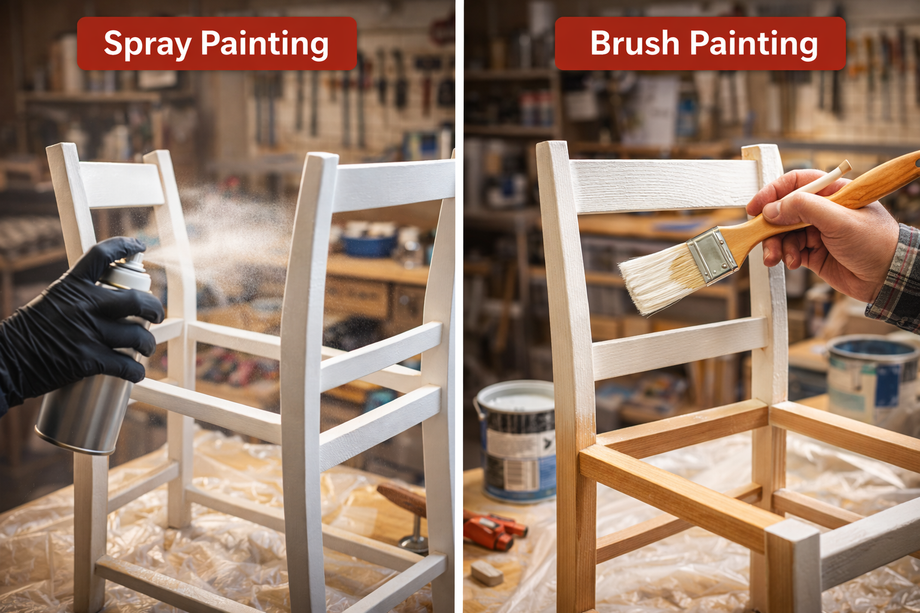
When starting a DIY project, one of the first decisions you’ll face is how to apply paint. Should you go with spray painting or stick to the traditional brush? Both methods have their strengths, and the right choice depends on your project, surface, and desired finish.
Spray Painting – Fast and Smooth Finish
Spray painting is popular among DIY enthusiasts because it delivers a smooth, even coat with minimal brush marks. It’s ideal for projects where appearance matters, such as furniture makeovers, metal items, plastic parts, and decorative pieces.
Advantages:
- Quick and time-saving
- Smooth, professional-looking finish
- Covers large or uneven surfaces easily
- Great for intricate designs and hard-to-reach areas
Limitations:
- Requires proper ventilation
- Can be messy if not handled carefully
- Needs masking to protect surrounding areas
Brush Painting – Control and Precision
Brush painting is a more traditional method and works well for detailed or small projects. It gives you better control, especially when working on edges, corners, or textured surfaces.
Advantages:
- Better control for detail work
- Less paint wastage
- Ideal for small areas and touch-ups
- No special setup required
Limitations:
- May leave brush marks
- Takes more time for large surfaces
- Requires skill for a smooth finish
Which One Should You Choose?
- Choose spray paint for large surfaces, smooth finishes, and quick projects.
- Choose brush paint for detailed work, small repairs, and controlled application.
Many DIYers actually use both methods together—spray paint for the base coat and brush painting for finishing touches.
Final Thoughts
There’s no one-size-fits-all answer. The best method depends on your project needs, skill level, and the finish you want. Whether you prefer speed or precision, having the right tools and materials makes all the difference. Platforms like Makerbazar offer a range of options for both spray and brush painting, helping you get the best results for your DIY projects.


Comments
Post a Comment